
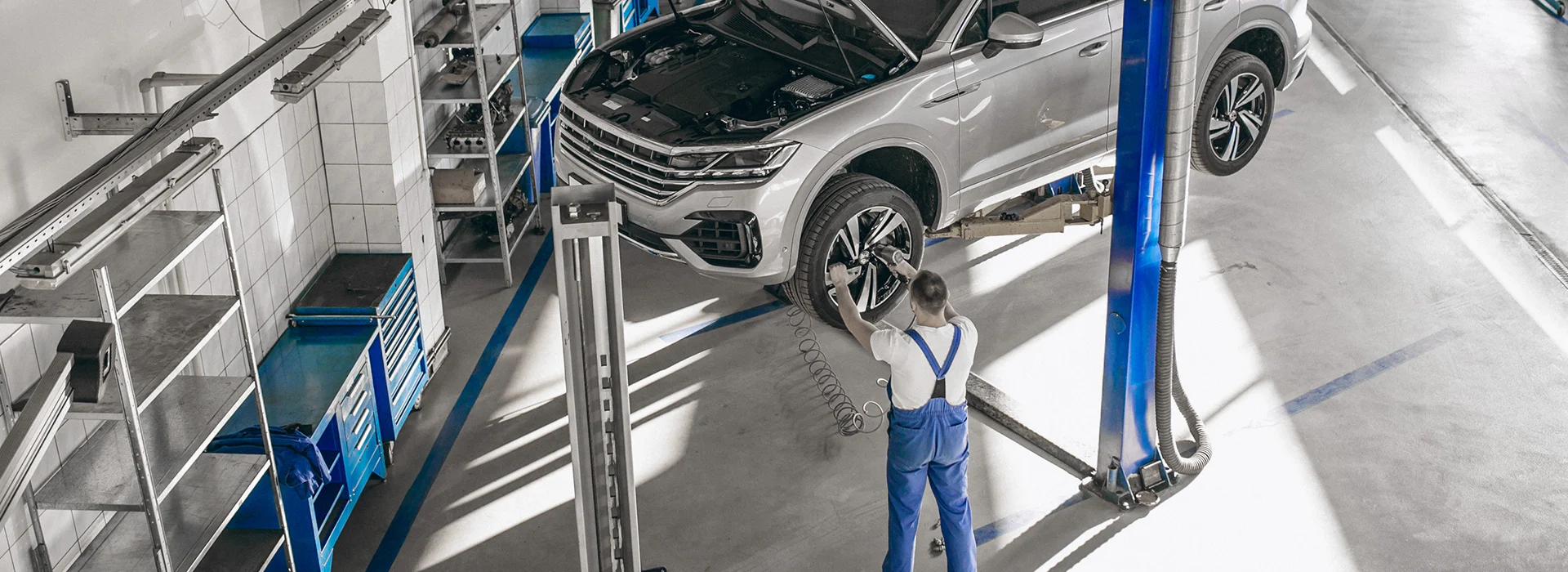
Expert Tire Installation Services at T & T Tire NC
Our experienced technicians are dedicated to delivering efficient and precise tire installation, typically completed within 60 minutes. We prioritize quality and customer satisfaction, making sure every tire is mounted and balanced correctly to extend its lifespan and enhance your driving experience.
Choosing T & T Tire NC means trusting a team that values your time and vehicle. We offer competitive pricing on all tire installation services, providing excellent value without compromising on quality. Whether you need a single tire replaced or a full set installed, our friendly and professional staff are here to assist you every step of the way.
For car owners seeking dependable tire installation with a focus on safety, speed, and affordability, T & T Tire NC is your go-to destination. Visit us today and experience the difference that expert service can make for your vehicle.
- Improved Safety: New tires provide better traction and handling, reducing the risk of accidents, especially in wet or slippery conditions.
- Enhanced Fuel Efficiency: Worn-out tires can increase rolling resistance, causing your vehicle to consume more fuel. Fresh tires help maintain optimal fuel economy.
- Smoother Ride: Replacing old tires ensures a more comfortable and quieter ride by absorbing road shocks more effectively.
- Better Performance: New tires improve braking distance and cornering ability, contributing to overall vehicle performance.
- Prevent Tire Blowouts: Old or damaged tires are more prone to blowouts, which can be dangerous. Regular replacement minimizes this risk.
- Protects Your Vehicle: Proper tires reduce wear and tear on suspension and other components, potentially saving on costly repairs.
Regular tire install and maintenance are essential parts of vehicle care. By investing in new tires at the right time, you ensure your car remains safe, efficient, and enjoyable to drive.
- Tread Wear: The tread on your tires provides traction and grip. If the tread depth is below 2/32 of an inch, it's time to replace your tires. You can use a tread depth gauge or the penny test to check this.
- Cracks or Bulges: Inspect your tires for any visible cracks, cuts, or bulges on the sidewalls. These can be signs of tire damage and potential failure.
- Uneven Wear: Uneven tread wear can indicate alignment issues or improper tire pressure. This not only reduces tire life but also affects vehicle handling.
- Vibration While Driving: Excessive vibration can be a sign of tire imbalance or internal damage, signaling the need for a professional tire install or inspection.
- Age of Tires: Even if tires look fine, those older than six years may need replacement due to rubber degradation.
Regularly checking for these signs and scheduling a professional tire install when necessary helps maintain your vehicle's safety and performance. Don't hesitate to consult with a tire specialist if you're unsure about the condition of your tires.
Here's a simple outline of the tire install process:
- Preparation: Park your car on a flat, stable surface and engage the parking brake. Gather all necessary tools, including a jack, lug wrench, and the new tires.
- Loosen the Lug Nuts: Before lifting the car, slightly loosen the lug nuts on the wheel you plan to replace. This prevents the wheel from spinning while you work.
- Lift the Vehicle: Use the jack to raise the car until the tire is off the ground. Ensure the jack is positioned correctly to avoid damage.
- Remove the Old Tire: Fully unscrew the lug nuts and carefully remove the tire from the hub.
- Install the New Tire: Align the new tire with the wheel studs and slide it onto the hub. Hand-tighten the lug nuts to hold it in place.
- Lower the Vehicle: Carefully lower the car back to the ground using the jack.
- Tighten the Lug Nuts: Use the lug wrench to securely tighten the lug nuts in a star pattern. This ensures even pressure and proper fit.
- Final Checks: Double-check the lug nuts for tightness and inspect the tire pressure. Adjust the pressure as needed for optimal performance.
Following these steps with care will help you successfully replace your tires, keeping your vehicle safe and ready for the road. If you're ever unsure, don't hesitate to seek professional assistance for your tire install needs.
One common theme among positive reviews is the professionalism of the staff. Customers often mention how knowledgeable and courteous the team is, making the entire process smooth and stress-free. From the moment they arrive, car owners feel confident that their vehicle is in good hands.
Another aspect frequently praised is the speed of the service. Busy car owners value quick turnaround times without compromising quality. This balance of efficiency and attention to detail leaves customers satisfied and eager to return for future tire needs.
Additionally, many customers note the clear communication provided throughout the installation process. Friendly staff take the time to explain the work being done, answer questions, and offer maintenance tips to extend the life of the tires.
Overall, the consensus among car owners is that a professional and friendly tire install service not only enhances vehicle safety but also provides peace of mind. Choosing a trusted provider ensures a positive experience from start to finish.
DIY Tire Installation
- Cost-Effective: Installing tires yourself can save money on labor fees.
- Convenience: You can work on your own schedule without waiting for an appointment.
- Learning Experience: It’s a great way to gain hands-on knowledge about your vehicle.
- Tools and Equipment: However, you’ll need the right tools like a jack, lug wrench, and torque wrench.
- Time-Consuming: If you’re inexperienced, the process may take longer and be physically demanding.
Professional Tire Installation
- Expertise: Professionals have the training to install tires correctly and safely.
- Proper Equipment: Shops use specialized machines to balance and mount tires precisely.
- Warranty and Guarantees: Many offer warranties on installation services, giving peace of mind.
- Time-Saving: The job is done quickly and efficiently, often while you wait.
- Safety: Proper installation reduces risks like uneven wear or tire failure.
In summary, if you have the tools, skills, and time, DIY tire install can be rewarding and economical. However, for most car owners, professional installation ensures safety, precision, and convenience. Consider your comfort level and priorities when deciding the best approach for your vehicle.
Spring:
- Inspect for Winter Damage: After harsh winter conditions, check your tires for cracks, punctures, or uneven wear.
- Switch to All-Season or Summer Tires: If you used winter tires, it's time to install tires better suited for warmer weather to improve fuel efficiency and handling.
- Check Tire Pressure: Temperature changes can affect tire pressure, so ensure they are inflated to the manufacturer's recommended levels.
Summer:
- Monitor Tire Temperature: Hot pavement can increase tire temperature, so avoid overloading your vehicle and check pressure regularly.
- Inspect Tread Depth: Good tread is essential for wet summer roads; replace tires if tread is worn.
- Rotate Tires: Regular rotation promotes even wear and extends tire life.
Fall:
- Prepare for Cooler Weather: Consider installing winter tires if you live in an area with snow or ice.
- Check for Debris: Remove leaves and other debris that can get stuck in tire treads.
- Maintain Proper Inflation: Cooler temperatures can lower tire pressure, so check and adjust as needed.
Winter:
- Use Winter Tires: These provide better traction on snow and ice, enhancing safety.
- Regularly Check Tire Pressure: Cold weather reduces pressure, so frequent checks are important.
- Clean Tires: Remove salt and grime to prevent corrosion and damage.
By following these seasonal tire care tips, you can ensure your tires perform optimally year-round. Remember, proper tire maintenance not only improves safety but also saves you money in the long run. If you need professional tire install services or advice, don't hesitate to reach out to your trusted tire specialist.