
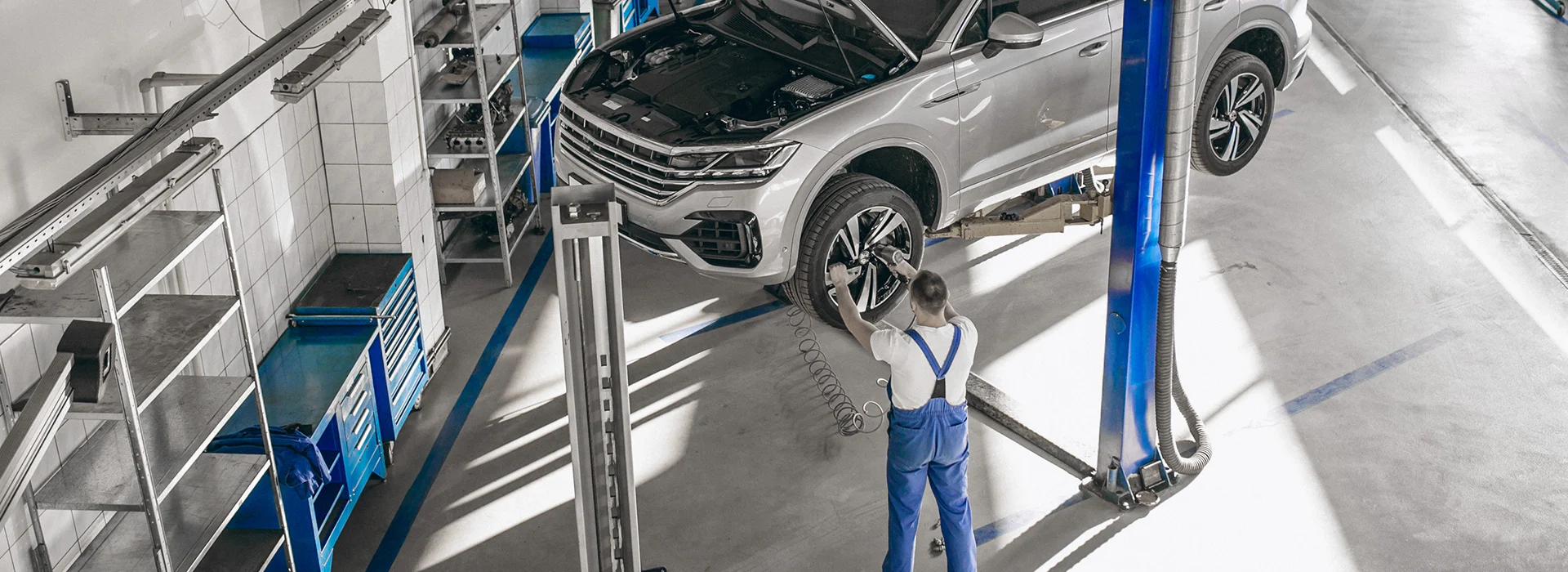
Reliable AC Services at T & T Tire NC
Our AC service typically takes about 60 minutes, ensuring a thorough inspection and efficient repair or maintenance without keeping you waiting. Whether you need a simple recharge or a more complex repair, we use quality parts and proven techniques to restore your vehicle's cooling system to optimal performance.
We pride ourselves on offering friendly and professional service, making your experience at T & T Tire NC both pleasant and reliable. Our team is dedicated to helping you maintain your car’s AC system, preventing costly breakdowns and enhancing your driving comfort.
Trust T & T Tire NC for all your AC needs. We’re here to help car owners keep their vehicles running smoothly and comfortably, no matter the season.
Why is regular AC maintenance important?
- Enhanced Comfort: A well-maintained AC system efficiently cools the cabin, providing relief from heat and humidity. Over time, components like refrigerant levels can drop, or filters can become clogged, reducing the system's ability to cool effectively.
- Improved Air Quality: The AC system circulates air inside the vehicle, and if not properly maintained, it can harbor dust, mold, and bacteria. Regularly replacing or cleaning the cabin air filter and servicing the AC helps prevent unpleasant odors and protects passengers from allergens and pollutants.
- Increased System Longevity: Routine checks and maintenance help identify potential issues early, such as leaks or worn-out parts, preventing costly repairs and extending the lifespan of the AC system.
- Energy Efficiency: A clean and well-functioning AC system uses less energy, which can contribute to better fuel efficiency and reduce the strain on your vehicle's engine.
In summary, regular air conditioning maintenance is vital for car owners who want to enjoy a comfortable ride with clean, fresh air. Scheduling periodic inspections and servicing of your vehicle's AC system ensures it operates at peak performance, enhancing your driving experience and protecting your health.
- Weak or Warm Airflow: If your AC is blowing air that isn’t as cold as it used to be or feels warm, it’s a clear sign that the system might be low on refrigerant or has a leak.
- Unusual Noises: Strange sounds like grinding, squealing, or rattling when you turn on the AC can indicate mechanical issues within the compressor or other components.
- Foul Odors: A musty or moldy smell coming from the vents often points to mold or mildew buildup in the AC system, which requires cleaning or servicing.
- Water Leaks Inside the Car: Excess moisture or water pooling inside the vehicle can mean the AC drain is clogged or there’s a leak in the system.
- AC System Doesn’t Turn On: If the AC fails to activate when you switch it on, it could be due to electrical problems, a blown fuse, or a faulty compressor.
- Increased Fuel Consumption: A malfunctioning AC system can cause your engine to work harder, leading to higher fuel usage.
Paying attention to these signs and addressing them promptly with professional servicing will ensure your car’s AC system remains efficient and reliable. Regular maintenance not only keeps you comfortable but also extends the lifespan of your vehicle’s air conditioning system.
1. Diagnosing Common AC Issues
- Check for Low Refrigerant: If your AC isn't cooling effectively, low refrigerant is often the culprit. Signs include weak airflow, warm air blowing from vents, or the AC compressor cycling on and off frequently.
- Inspect the Air Filter: A clogged or dirty air filter restricts airflow, reducing cooling efficiency. If you notice reduced airflow or unpleasant odors, the filter may need cleaning or replacement.
- Listen for Unusual Noises: Strange sounds like hissing or rattling can indicate leaks or mechanical issues within the AC system.
- Look for Visible Leaks: Refrigerant leaks often leave oily residue around AC components.
2. Fixing Low Refrigerant
- Locate the Service Ports: Identify the low-pressure service port on your car's AC system.
- Use a Refrigerant Recharge Kit: Follow the instructions carefully to add the correct type and amount of refrigerant.
- Check for Leaks: If refrigerant levels drop again quickly, have a professional inspect for leaks and repair them.
3. Cleaning or Replacing the Air Filter
- Locate the Cabin Air Filter: Usually found behind the glove box or under the dashboard.
- Remove the Filter: Take out the old filter carefully to avoid spreading dust.
- Clean or Replace: If reusable, clean the filter according to manufacturer instructions; otherwise, replace it with a new one.
- Reinstall the Filter: Ensure it is seated properly to maintain airflow.
Regular maintenance and timely diagnosis of your car's AC system can enhance performance and extend its lifespan. If problems persist, consulting a professional technician is always a wise choice.
1. Chemical Composition and Environmental Impact
R-134a, also known as tetrafluoroethane, has been the standard refrigerant in automotive AC systems for decades. However, it has a high Global Warming Potential (GWP) of about 1,430, meaning it contributes significantly to greenhouse gas emissions if leaked.
On the other hand, R-1234yf is a hydrofluoroolefin (HFO) refrigerant with a much lower GWP of less than 1. This makes it a more environmentally friendly alternative, aligning with global regulations aimed at reducing climate change impacts.
2. Performance in Vehicle Air Conditioning Systems
Both refrigerants effectively cool vehicle interiors, but there are subtle differences:
- Cooling Efficiency: R-1234yf offers similar cooling performance to R-134a, ensuring that drivers and passengers remain comfortable even in hot weather.
- Energy Consumption: Vehicles using R-1234yf may experience slightly improved energy efficiency, which can translate to marginal fuel savings and reduced emissions.
- System Compatibility: R-1234yf requires specific lubricants and components designed to handle its chemical properties, meaning older systems using R-134a cannot simply switch without modifications.
3. Safety Considerations
R-134a is non-flammable, which has made it a safe choice historically. R-1234yf is mildly flammable, classified as A2L, but modern vehicle systems are engineered with safety features to mitigate any risks.
4. Regulatory Trends and Future Outlook
Due to environmental concerns, many countries have mandated the phase-out of R-134a in favor of low-GWP refrigerants like R-1234yf. New car models increasingly come equipped with R-1234yf systems, reflecting a shift towards sustainability.
Conclusion
For car owners, understanding the differences between R-134a and R-1234yf helps in making informed decisions about vehicle maintenance and repairs. While both refrigerants provide effective cooling, R-1234yf stands out for its environmental benefits and alignment with future automotive standards. If you own an older vehicle, it’s important to use the correct refrigerant specified by the manufacturer to ensure optimal performance and safety.
1. Overheating: When the AC system is not working properly, it can cause the engine to overheat. This happens because the AC compressor puts extra load on the engine, and if it's malfunctioning, it may cause the engine to work harder than usual, leading to overheating. Overheating can result in serious engine damage if not addressed promptly.
2. Reduced Cooling Efficiency: A malfunctioning AC system often results in poor cooling performance. This means the cabin won't cool down effectively, making driving uncomfortable, especially during hot weather. Reduced cooling efficiency can be caused by issues such as refrigerant leaks, clogged filters, or faulty compressors.
3. Increased Fuel Consumption: When the AC system is not operating efficiently, it can cause the engine to consume more fuel. This happens because the engine has to work harder to compensate for the AC's inefficiency, leading to higher fuel costs over time.
4. Potential Health Risks: A malfunctioning AC system may circulate dust, mold, or bacteria inside the vehicle, which can affect air quality and potentially cause respiratory issues for passengers.
To avoid these risks, regular maintenance and timely repairs of your car's AC system are essential. Ensuring your AC is in good working condition will keep you comfortable, protect your vehicle, and save you money in the long run.
1. Regular Cleaning of the AC System
Dust, dirt, and debris can accumulate in your AC vents and filters, reducing airflow and cooling efficiency. To prevent this:
- Clean or replace the cabin air filter every 12,000 to 15,000 miles or as recommended by your vehicle’s manufacturer.
- Use a soft brush or vacuum to clean the AC vents and dashboard area to remove dust buildup.
- Consider professional cleaning of the AC evaporator and ducts annually to eliminate mold and bacteria that can cause unpleasant odors.
2. Ensure Proper Refrigerant Levels
The refrigerant is the heart of your AC system, responsible for cooling the air. Low refrigerant levels can lead to poor cooling performance and potential damage to the compressor. To maintain proper refrigerant levels:
- Have your AC system checked by a qualified technician at least once a year.
- If you notice the air isn’t as cold as usual, get the refrigerant levels inspected promptly.
- Avoid attempting to recharge the refrigerant yourself unless you have the proper tools and knowledge, as incorrect handling can harm the system and the environment.
3. Additional Maintenance Tips
- Run your AC system for about 10 minutes every couple of weeks, even in winter, to keep the compressor lubricated.
- Park in shaded areas or use sunshades to reduce the heat load on your AC system.
- Address any unusual noises or smells from the AC promptly by consulting a professional.
By following these simple yet effective tips, car owners can enjoy a reliably cool and comfortable ride while protecting their vehicle’s AC system from costly repairs. Regular attention to cleaning and refrigerant levels is key to optimal performance.