Expert Tire Alignment Services at T & T Tire NC
Tire alignment involves adjusting the angles of your wheels to the manufacturer's specifications. This service not only improves handling and fuel efficiency but also prevents uneven tire wear, saving you money in the long run. Our alignment process typically takes about 60 minutes, ensuring you get back on the road quickly and safely.
We pride ourselves on delivering professional and friendly service, making sure every customer leaves satisfied. While the average cost of tire alignment can vary, at T & T Tire NC, we strive to offer competitive pricing without compromising quality.
Whether you notice your vehicle pulling to one side, uneven tire wear, or just want to maintain optimal driving conditions, trust T & T Tire NC for all your tire alignment needs. Visit us today and experience the difference expert care can make for your car.
Why is proper tire alignment so important?
- Improved Vehicle Handling: When your tires are correctly aligned, your vehicle handles better. This means smoother steering, better control, and increased safety on the road. Misaligned tires can cause your car to pull to one side, making it harder to steer and increasing the risk of accidents.
- Extended Tire Life: Tires that are out of alignment wear unevenly and more quickly. This uneven wear can lead to premature tire replacement, costing you more money in the long run. Proper alignment ensures that tires wear evenly, maximizing their lifespan.
- Enhanced Fuel Efficiency: Misaligned tires create more rolling resistance, which means your engine has to work harder and uses more fuel. Keeping your tires aligned helps improve your vehicle’s fuel economy.
Regularly checking and maintaining proper tire alignment is a simple yet effective way to protect your investment in your vehicle and tires. It also contributes to a safer and more comfortable driving experience. If you notice your car pulling to one side, uneven tire wear, or steering wheel vibration, it’s a good idea to have your alignment checked by a professional.
In summary, proper tire alignment is crucial for optimal vehicle handling, longer tire life, and better fuel efficiency. As a car owner, staying on top of your tire alignment maintenance will keep your vehicle running smoothly and safely.
- Uneven or Rapid Tire Wear: If you notice that the tread on your tires is wearing down unevenly or more quickly than usual, it could be a sign of misalignment. Proper alignment ensures even contact with the road, promoting uniform tire wear.
- Vehicle Pulls to One Side: When driving on a straight, flat road, your car should track straight ahead. If it consistently pulls to the left or right without steering input, your tires may be out of alignment.
- Steering Wheel Off-Center: If your steering wheel is not centered when driving straight, it often indicates alignment issues. The wheel should be perfectly straight when your vehicle is moving forward on a level surface.
- Vibrations in the Steering Wheel: Misaligned tires can cause vibrations or shaking in the steering wheel, especially at higher speeds. This can affect your driving comfort and control.
- Loose or Wandering Steering: If your steering feels loose or your vehicle wanders on the road, it might be time to check your tire alignment. Proper alignment helps maintain precise steering response.
Regularly checking for these signs and scheduling a professional tire alignment can help keep your vehicle running smoothly and safely. If you experience any of these symptoms, consider visiting a trusted mechanic to have your tire alignment inspected and corrected.
- Initial Inspection: The technician begins by inspecting your tires and suspension components for any signs of wear or damage that could affect alignment.
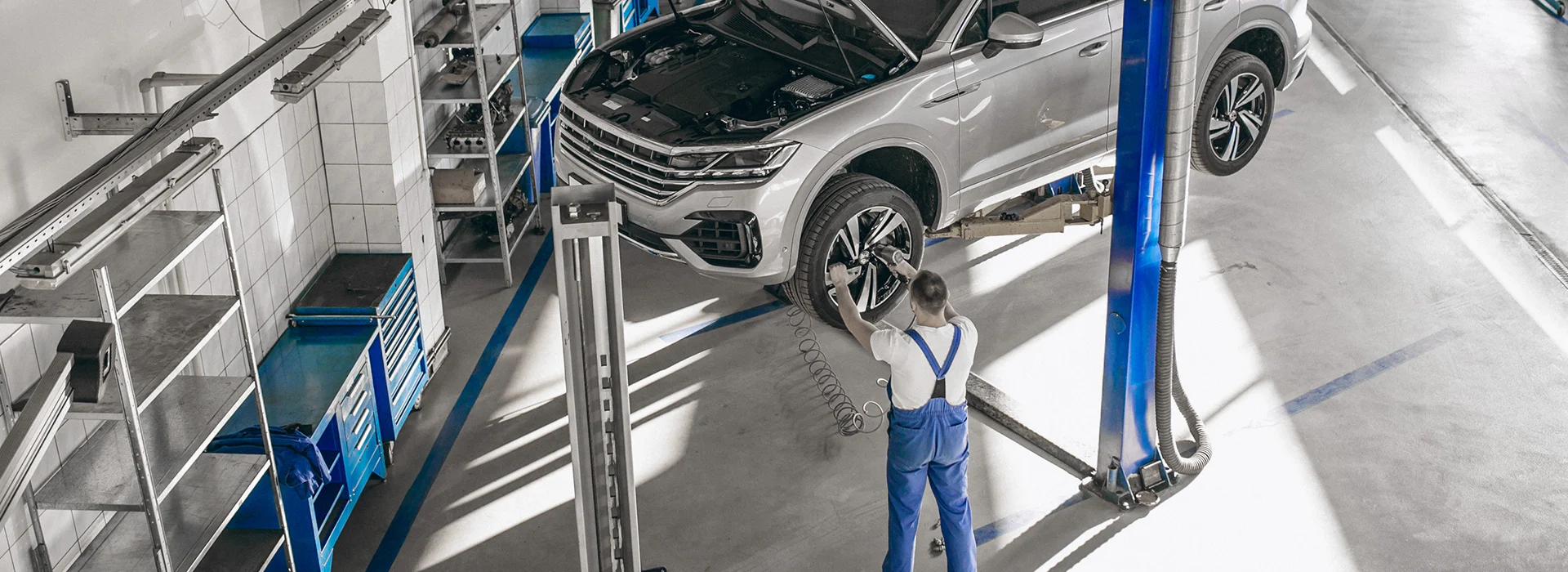
- Mounting the Vehicle on the Alignment Rack: Your car is driven onto a specialized alignment rack equipped with sensors and cameras to measure wheel angles precisely.
- Attaching Alignment Sensors: Sensors or targets are attached to each wheel to collect data on the current alignment angles, including camber, caster, and toe.
- Measuring Wheel Angles: The alignment machine measures the angles of each wheel relative to the manufacturer’s specifications.
- Adjusting the Alignment: Based on the measurements, the technician adjusts the suspension components to bring the wheels into proper alignment. This may involve tweaking tie rods, control arms, or other parts.
- Rechecking Measurements: After adjustments, the technician rechecks the wheel angles to ensure they meet the recommended specifications.
- Test Drive: A brief test drive may be performed to confirm that the vehicle handles correctly and the alignment is effective.
- Final Inspection and Report: The technician provides a report detailing the before and after alignment readings and confirms that your tires are properly aligned.
Following these steps helps maintain your vehicle’s performance and safety. Regular tire alignment checks are a smart practice for all car owners!
1. Front-End Alignment
This type of alignment focuses solely on the front wheels of your vehicle. It's typically used for vehicles with a solid rear axle or those that don't require rear wheel adjustments. During a front-end alignment, technicians adjust the angles of the front wheels—such as camber, caster, and toe—to ensure they are set according to the manufacturer's specifications.
When to choose front-end alignment:
- Your vehicle has a solid rear axle.
- Only the front wheels show signs of misalignment.
- You want a more affordable alignment option.
2. Thrust Angle Alignment
Thrust angle alignment is a bit more comprehensive. It involves aligning the front wheels in relation to the rear wheels, which are adjusted as a unit. The thrust angle refers to the direction that the rear wheels are pointing relative to the vehicle's centerline. If the rear axle is out of alignment, the thrust angle will be off, causing the vehicle to 'dog track' or move sideways.
When to choose thrust angle alignment:
- Your vehicle has a solid rear axle that may be misaligned.
- You notice your car pulling to one side despite front-end alignment.
- You want to correct the rear axle's angle without adjusting individual rear wheels.
3. Four-Wheel Alignment
This is the most thorough type of alignment, involving adjustments to all four wheels independently. It's essential for vehicles with independent rear suspension systems, where each rear wheel can be adjusted separately. Four-wheel alignment ensures that all wheels are aligned to the manufacturer's specifications, improving handling, tire wear, and fuel efficiency.
When to choose four-wheel alignment:
- Your vehicle has independent rear suspension.
- All four wheels need alignment adjustments.
- You want the most precise and comprehensive alignment service.
Summary:
Choosing the right type of tire alignment depends on your vehicle's suspension design and the specific alignment issues you're experiencing. Front-end alignment is suitable for simpler setups focusing on the front wheels, thrust angle alignment addresses rear axle direction in solid rear axle vehicles, and four-wheel alignment offers the most complete adjustment for vehicles with independent suspension on all wheels.
Regular tire alignment not only extends the life of your tires but also enhances your driving safety and comfort. If you're unsure which alignment your car needs, consult a professional technician who can assess your vehicle and recommend the best service.
- Uneven Tire Wear: Misalignment causes tires to wear unevenly, reducing their lifespan and leading to the need for premature replacement.
- Poor Handling: Your car may pull to one side, making steering difficult and increasing the risk of accidents.
- Reduced Fuel Efficiency: Misaligned tires create extra rolling resistance, causing your engine to work harder and consume more fuel.
- Increased Tire Damage: Constant uneven pressure can cause tires to develop bald spots or even blowouts.
- Suspension and Steering System Strain: Misalignment puts extra stress on suspension components, potentially leading to costly repairs.
Regular tire alignment checks are essential to maintain optimal vehicle performance, safety, and cost-effectiveness. If you notice any signs of misalignment, such as uneven tire wear or your car pulling to one side, it's best to have your tires aligned promptly.
- Regularly Check Your Tire Alignment: Schedule alignment checks at least once a year or whenever you notice signs of misalignment, such as your car pulling to one side or uneven tire wear.
- Inspect Tires Frequently: Look for uneven tread wear patterns, which can indicate alignment issues. Early detection helps prevent further damage.
- Maintain Proper Tire Pressure: Underinflated or overinflated tires can affect alignment and handling. Check your tire pressure monthly and adjust according to your vehicle's specifications.
- Avoid Potholes and Rough Roads: Driving over potholes, curbs, or rough terrain can knock your wheels out of alignment. Drive carefully and avoid hazards when possible.
- Balance Your Tires: Properly balanced tires reduce vibrations and uneven wear, complementing good alignment for a smoother ride.
- Replace Worn Suspension Components: Worn shocks, struts, or bushings can cause alignment problems. Have your suspension system inspected regularly and replace parts as needed.
- Seek Professional Alignment Services: Use certified technicians and quality equipment for alignment services to ensure precise adjustments tailored to your vehicle.
By following these tips, you can maintain proper tire alignment, enhance your vehicle's performance, and enjoy a safer driving experience. Remember, regular maintenance is key to avoiding costly repairs and extending the life of your tires.