Expert Tire Balancing Services at T & T Tire NC
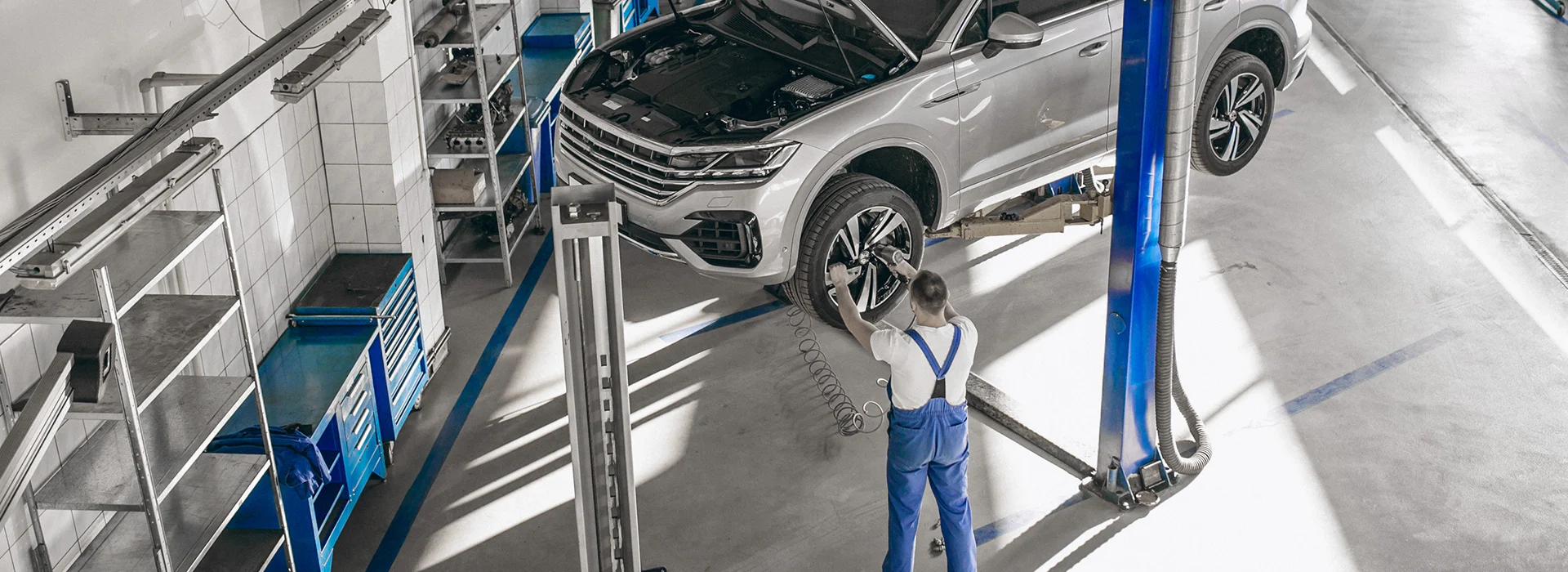
Tire balancing involves adjusting the weight distribution of your tires and wheels to ensure smooth rotation. When tires are unbalanced, it can lead to uneven wear, vibrations, and even damage to your suspension system. Our skilled technicians use advanced equipment to precisely balance your tires, helping to extend their lifespan and improve fuel efficiency.
On average, our tire balancing service takes about 60 minutes, making it a quick and effective way to maintain your vehicle. While costs can vary, we strive to offer competitive pricing that reflects the quality and care we provide.
Whether you're noticing vibrations while driving or it's simply time for routine maintenance, trust T & T Tire NC to keep your tires balanced and your ride smooth. Visit us today and experience the difference professional tire balancing can make for your car.
Unbalanced tires can lead to several issues, including:
- Uneven tire wear: This shortens the lifespan of your tires, leading to more frequent replacements and increased costs.
- Vibrations: You may feel shaking in the steering wheel, floorboard, or seat, especially at higher speeds, which can be uncomfortable and distracting.
- Strain on suspension components: Imbalanced tires put extra stress on your vehicle's suspension and steering systems, potentially causing premature wear and costly repairs.
- Reduced fuel efficiency: When tires are not balanced, your vehicle has to work harder, which can lead to increased fuel consumption.
Regular tire balancing helps maintain smooth handling, improves safety by ensuring better traction and control, and extends the life of your tires and suspension components. It's recommended to have your tires balanced whenever you get new tires installed or if you notice any unusual vibrations while driving.
In summary, tire balancing is a simple yet essential service that enhances your vehicle's performance and safety. Keeping your tires balanced means a smoother ride, better fuel economy, and peace of mind on the road.
- Vibrations While Driving: If you feel unusual vibrations in the steering wheel, floorboard, or seat, especially at higher speeds, it could be a sign that your tires are out of balance.
- Uneven Tire Wear: Inspect your tires regularly. Uneven or patchy wear patterns often indicate that the tires are not balanced correctly, which can lead to premature tire damage.
- Steering Wheel Wobble: A wobbling or shaking steering wheel when driving straight is a classic symptom of unbalanced tires.
- Increased Fuel Consumption: Unbalanced tires can cause your vehicle to work harder, leading to decreased fuel efficiency.
- Noise from Tires: Sometimes, unbalanced tires produce unusual noises while driving, such as humming or buzzing sounds.
If you notice any of these signs, it's a good idea to visit a professional tire service center to have your tires checked and balanced. Proper tire balance not only improves your driving comfort but also extends the life of your tires and enhances overall vehicle safety.
The Tire Balancing Process:
- Inspection: The technician first inspects the tires and wheels for any visible damage or irregular wear.
- Mounting on the Balancer: The tire and wheel assembly is mounted on a tire balancing machine, which spins the assembly at high speed.
- Measurement: The machine detects any imbalance by measuring vibrations caused by uneven weight distribution around the tire and wheel.
- Weight Placement: Based on the machine's readings, the technician places small weights on the rim at specific locations to counterbalance heavy spots.
- Rechecking: The assembly is spun again to ensure the weights have corrected the imbalance. Adjustments are made if necessary.
- Final Installation: Once balanced, the tire and wheel are reinstalled on the vehicle.
Essential Tools for Tire Balancing:
- Tire Balancing Machine: The core tool that spins the tire and wheel assembly to detect imbalances.
- Wheel Weights: Small metal weights (clip-on or adhesive) used to balance the tire.
- Weight Pliers: Used to attach clip-on weights securely to the wheel rim.
- Tire Mounting Equipment: Tools to safely remove and mount tires on wheels if needed.
- Valve Stem Tool: For removing and installing valve stems during tire service.
Regular tire balancing helps prevent uneven tire wear, reduces vibrations, and improves overall driving safety. If you notice vibrations or uneven tire wear, it might be time to have your tires balanced by a professional using these tools and steps.
Static Tire Balancing
Static balancing addresses the vertical imbalance of a tire and wheel assembly. It ensures that the weight is evenly distributed around the tire's circumference so that the tire does not bounce up and down as it rotates. This type of balancing is typically done by placing the tire on a single-plane balancing machine, which detects heavy spots on the tire. Small weights are then added to counterbalance these spots.
Static balancing is essential for preventing vibrations that occur at lower speeds and can cause discomfort while driving. However, it does not address side-to-side imbalances.
Dynamic Tire Balancing
Dynamic balancing, on the other hand, considers both vertical and lateral imbalances. It ensures that the tire is balanced not only around its circumference but also side-to-side across the wheel. This is important because an imbalance in either direction can cause vibrations, uneven tire wear, and stress on suspension components.
Dynamic balancing is performed using a two-plane balancing machine that spins the tire and wheel assembly and detects imbalances in multiple directions. Weights are then strategically placed on both the inside and outside edges of the wheel to correct these imbalances.
Key Differences
- Scope: Static balancing corrects vertical imbalances; dynamic balancing corrects both vertical and lateral imbalances.
- Equipment: Static uses a single-plane machine; dynamic uses a two-plane machine.
- Effectiveness: Dynamic balancing provides a more comprehensive balance, leading to smoother rides at higher speeds.
- Weight Placement: Static balancing weights are placed on one side of the wheel; dynamic balancing requires weights on both sides.
In summary, while static tire balancing can address basic imbalances, dynamic tire balancing offers a more thorough solution, especially important for modern vehicles and higher-speed driving. For optimal performance and tire longevity, it's best to have your tires dynamically balanced by a professional technician.
- Uneven Tire Wear: Unbalanced tires cause certain areas of the tire to wear out faster, reducing the overall lifespan of your tires and leading to the need for premature replacements.
- Vibrations and Discomfort: You may experience noticeable vibrations in the steering wheel, floorboard, or seat, making your driving experience less comfortable and more fatiguing.
- Reduced Fuel Efficiency: When tires are unbalanced, your vehicle has to work harder to maintain smooth motion, which can lead to increased fuel consumption.
- Strain on Suspension and Steering Components: The vibrations caused by unbalanced tires put extra stress on your car’s suspension and steering systems, potentially leading to costly repairs over time.
- Compromised Safety: Unbalanced tires can affect your vehicle’s handling and braking performance, increasing the risk of accidents, especially at higher speeds.
For car owners, maintaining properly balanced tires is essential to ensure a smooth ride, extend tire life, and keep your vehicle safe on the road. Regular tire balancing checks are a simple yet effective way to avoid these problems.
- Regular Tire Balancing Checks: Have your tires balanced every 5,000 to 6,000 miles or whenever you notice vibrations while driving. Regular checks prevent uneven tire wear and improve vehicle handling.
- Inspect Tires for Damage: Frequently check your tires for signs of damage such as bulges, cracks, or uneven wear patterns. Damaged tires can cause imbalance and should be repaired or replaced promptly.
- Maintain Proper Tire Pressure: Keep your tires inflated to the manufacturer’s recommended pressure. Incorrect tire pressure can lead to uneven wear and affect balance.
- Rotate Your Tires: Rotating tires every 6,000 to 8,000 miles helps distribute wear evenly, which supports balanced performance and extends tire life.
- Choose Quality Tires and Services: Invest in high-quality tires and have balancing done by experienced professionals using modern equipment to ensure accuracy.
- Be Mindful of Road Conditions: Avoid potholes, curbs, and rough terrain when possible, as impacts can throw off tire balance.
By following these tips, you can enjoy a smoother ride and get the most out of your tires. Remember, proper tire balance is a key part of vehicle maintenance that benefits your safety and driving comfort.