
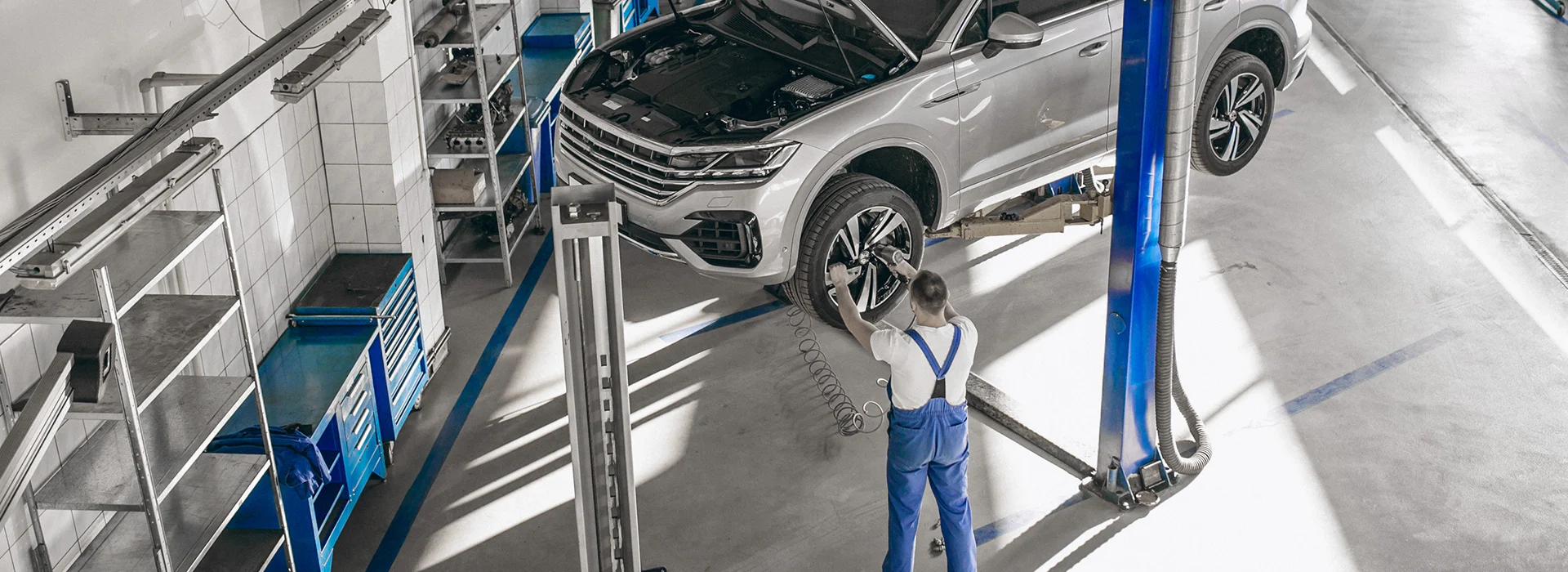
Reliable Battery Replacement Services at T & T Tire NC
Replacing your car battery with us typically takes about 60 minutes, ensuring minimal downtime for you. We use high-quality batteries that meet or exceed manufacturer specifications, giving you peace of mind and long-lasting power. Our experienced technicians carefully assess your vehicle's needs before recommending the best battery option, tailored to your car's make and model.
While the average cost of battery replacement can vary, we strive to offer competitive pricing without compromising on quality. Whether you're dealing with a dead battery or just want to avoid unexpected breakdowns, T & T Tire NC is your trusted partner for reliable battery replacement services.
Visit us today and experience professional care that keeps your vehicle energized and ready for the road ahead.
Over time, car batteries naturally lose their ability to hold a charge due to chemical wear and tear. When a battery becomes weak or fails, you may experience difficulty starting your vehicle, dimming headlights, or malfunctioning electrical accessories. These issues can leave you stranded unexpectedly and may even cause further damage to your vehicle's electrical components.
Replacing your battery before it completely fails ensures that your car starts smoothly and that all electrical systems operate efficiently. It also helps prevent the inconvenience and potential safety risks associated with a dead battery. Regular battery checks and timely replacement are simple yet effective ways to keep your vehicle dependable and extend the life of your car's electrical system.
In summary, don't overlook the importance of your car battery. By staying proactive with battery maintenance and replacement, you can enjoy peace of mind knowing your vehicle will perform reliably whenever you need it.
- Dim Headlights: If you notice your headlights are dimmer than usual, especially when idling, it could be a sign that your battery is losing its charge.
- Slow Engine Cranking: When you turn the key, if the engine cranks slowly or takes longer to start, your battery might be struggling to provide enough power.
- Electrical Issues: Problems with electrical components like power windows, radio, or dashboard lights can indicate a weak battery.
- Check Engine or Battery Warning Light: If the battery warning light appears on your dashboard, it's a clear signal to have your battery tested.
- Corroded Battery Terminals: Visible corrosion on the battery terminals can interfere with the electrical connection and reduce battery performance.
- Old Age: Car batteries typically last 3-5 years. If your battery is within or beyond this range, consider having it checked regularly.
Paying attention to these signs can help you replace your battery before it fails completely, ensuring your vehicle remains reliable. If you experience any of these symptoms, it's a good idea to visit a professional for a battery test and replacement if necessary.
- Prepare Your Tools and Safety Gear: Before you begin, gather the necessary tools: a wrench or socket set, gloves, and safety glasses. Wearing gloves and glasses protects you from battery acid and corrosion.
- Turn Off the Engine and Remove the Keys: Ensure your car is completely off to avoid any electrical hazards.
- Locate the Battery: Open the hood and find the battery. It’s usually near the front of the engine bay, secured with a clamp or bracket.
- Identify the Battery Terminals: The battery has two terminals: positive (+) and negative (–). The negative terminal is usually marked with a minus sign and often has a black cable, while the positive terminal has a plus sign and a red cable.
- Disconnect the Negative Terminal First: Using your wrench, loosen the nut on the negative terminal and carefully remove the cable. This step is crucial to prevent electrical shorts.
- Disconnect the Positive Terminal: Next, loosen and remove the positive cable.
- Remove the Battery Hold-Down Clamp: Batteries are secured with a clamp or bracket. Remove it carefully to free the battery.
- Lift Out the Old Battery: Batteries can be heavy, so lift with care. Avoid tilting the battery to prevent acid spills.
- Clean the Battery Tray and Terminals: Use a battery cleaning solution or a mixture of baking soda and water to clean corrosion from the tray and cable terminals. Dry thoroughly.
- Place the New Battery in the Tray: Position the new battery with terminals in the same orientation as the old one.
- Secure the Battery with the Hold-Down Clamp: Tighten the clamp to keep the battery firmly in place.
- Reconnect the Positive Terminal First: Attach and tighten the positive cable.
- Reconnect the Negative Terminal: Attach and tighten the negative cable.
- Double-Check Connections: Ensure all connections are tight and secure.
- Start the Engine: Turn on your car to verify the new battery is working properly.
Remember, safety is paramount when handling car batteries. Always wear protective gear, work in a well-ventilated area, and dispose of your old battery properly by taking it to a recycling center or auto parts store.
1. Lead-Acid Batteries
Lead-acid batteries are the traditional choice for most vehicles. They are cost-effective and widely available, making them a popular option for everyday cars.
- Advantages: Affordable, reliable for standard vehicles, and easy to replace.
- Best for: Older cars, budget-conscious owners, and vehicles with standard electrical demands.
2. AGM Batteries
AGM batteries are a type of lead-acid battery but with enhanced technology. They use a glass mat separator to hold the electrolyte, offering better performance.
- Advantages: Longer lifespan, better resistance to vibration, faster charging, and maintenance-free.
- Best for: Modern vehicles with start-stop systems, luxury cars, and those requiring higher electrical loads.
3. Lithium Batteries
Lithium batteries are the newest option in automotive batteries, known for their lightweight and high energy density.
- Advantages: Lightweight, longer lifespan, faster charging, and superior performance in extreme temperatures.
- Best for: Electric vehicles, high-performance cars, and drivers seeking advanced technology and efficiency.
In summary, lead-acid batteries are great for standard vehicles and budgets, AGM batteries suit modern cars with higher electrical needs, and lithium batteries offer cutting-edge performance for specialized vehicles. Understanding these options helps you make an informed decision for your car's battery replacement needs.
1. Electrical System Failures: A weak or dying battery can cause your car's electrical components to malfunction. This includes essential systems like headlights, dashboard lights, power windows, and even the ignition system. Such failures can compromise your ability to drive safely, especially at night or in adverse weather conditions.
2. Unexpected Breakdown and Being Stranded: One of the most common risks of a failing battery is the sudden inability to start your car. This can leave you stranded in inconvenient or unsafe locations, causing stress and potential danger.
3. Impact on Other Vehicle Components: A failing battery can put extra strain on your alternator and starter motor, potentially leading to more costly repairs down the line.
To avoid these risks, it's important to monitor your battery's health regularly and replace it when signs of failure appear. This proactive approach ensures your vehicle remains reliable and safe on the road.
- Regular Cleaning: Keep the battery terminals clean and free from corrosion. Use a mixture of baking soda and water with a brush to gently clean the terminals. This ensures a good connection and prevents power loss.
- Check Battery Connections: Make sure the battery cables are tightly connected. Loose connections can cause starting problems and reduce battery efficiency.
- Avoid Extreme Temperatures: Both extreme heat and cold can negatively impact your battery's performance. Whenever possible, park your car in a garage or shaded area to protect the battery from harsh weather conditions.
- Limit Short Trips: Frequent short trips prevent the battery from fully charging. Try to combine errands or take longer drives occasionally to keep the battery charged.
- Turn Off Electrical Components: Before turning off your car, make sure to switch off lights, radio, and other electrical devices to avoid draining the battery when the engine is off.
- Regular Battery Testing: Have your battery tested during routine vehicle maintenance to catch any issues early and replace it before it fails.
By following these simple tips, you can maintain your car battery effectively and enjoy a longer lifespan, ensuring your vehicle starts smoothly every time.